Update:

Panting Pooches consistently serves 10+ countries on 6 continents every week! Welcome to every one across the planet!

Sunday, December 1, 2019

Turmeric Treats

My latest treat formulation practically doubles as a supplement so I wanted to give it its own post to explain the benefits.

A batch of my homemade chicken bone broth
The main ingredient is bone broth.  I actually make this myself, using chicken feet so it's fresh and void of any preservatives, unnecessary flavors etc.  It is full of glucosamine, chondroitin, gelatin, collagen, protein and trace minerals.  When put in the fridge, chicken feet bone broth thickens to a jello consistency - proof that it is chock full of healthy goodness!  All of these bone broth attributes contribute to healthier joints in our dogs, cats, and us! (I do feed my cats the same bone broth, they love it!) It's basically a delicious joint supplement!

Gelatin in bone broth can also aid in digestion and promote a healthy gut.

The color of the treats come from turmeric, a natural anti-inflammatory.  Years ago when I was first  struggling with sacroilliac (SI) joint issues, I was put on some meds for the pain and inflammation. Not wanting to use pharmaceuticals for long term pain management, I started taking turmeric.  It provided me relief if I took it consistently and I no longer needed prescribed anti-inflammatories.
Turmeric works best when coupled with an oil and black pepper. The pepper provides piperine, which slows the digestion of curcumin (the active ingredient of turmeric), allowing the body to better absorb it. Curcumin is fat soluable, so providing a healthy lipid like coconut oil, allows the body to better absorb it into the bloodstream, rather than just eliminate it as waste.


Learn more about the benefits of bone broth and turmeric in the video and links below.


Tuesday, November 12, 2019

Myoglobin: Not Waste!

The majority of the time, our dogs are fed a homemade raw diet, but one day a week (or when I don't have time to prep the next raw batch) they eat kibble.

On kibble days, I try to give it a nutritional boost with things like bone broth or myoglobin.

Myoglobin is the dark red liquid that seeps out of red meat. Many assume it is blood, but no, it's myoglobin protein mixed with water. We don't waste this!

Pictured is a chunk of beef liver from our local county grass fed cattle. After thawing, myoglobin has osmosed through the bag, ready to be used. I freeze in silicone molds, then the dogs eat them with their meals!

Myoglobin's dark pigment is why some meats are called 'red meat'. Because there is much more myoglobin present in beef than in chicken.

What does myoglobin do in the body?  It's job is to transport oxygen from red blood cells to mitochondria in muscle tissue, so it's a part of providing energy to muscles.

Nutritionally, myoglobin is an excellent source of dietary iron. For anemic pets, or pets that may not get enough iron in white meat based diets, myoglobin would be a good addition.

If giving to cats, I'd recommend giving it room temperature as many cats cannot handle cold or frozen foods.

Monday, July 8, 2019

Cheap Corn Based Cat Litter

I've been wanting to upgrade our cat litter for quite some time but have not wanted to pay the higher prices that come with 'fancier' litter.

We've been using clay litter this whole time and the dust and smell (fragrance) drives me nuts. Plus the fact that clay litters can be unsafe because of the dust that gets on your cat, then your cat grooms themselves, ingesting clay dust.

I have always liked corn based litters and even Walnut shell litters but these are as pricey as you can get. 'Worlds Most Expensive Cat Litter (what I call a certain brand) is an outrageous $1/lb but it is my favorite. I decided to experiment when the opportunity arose....

The other week I did a fog bug bomb in my garage. I thought I removed everything I needed to except for an open 40lb bag of chick crumbles. I wasn't about to use the crumbles as feed and I didn't want to throw out a brand new bag. So I decided to try it in one of the litter bins... And tada!

Chick crumbles soak and clump up urine just like the fancy litters! The smell and dust are so much more tolerable than the clay based too and in my opinion, sifts through a litter scoop easier than Walnut litters.

A 40lb bag of chick crumbles averages $15, a HUGE savings over cat litter corn. For those who don't own chickens, you can buy chick crumbles at any feed store or even some Walmarts. They come in all sizes in case you want to try a small bag, and come in Medicated or Unmedicated (an antibiotic).

I still have a clay litter box next to the corn box, to allow the cats to choose and get accustomed. They use both equally and once we use up the clay litter, I plan to fully switch over to chick feed!

Sunday, May 26, 2019

Wireless Doorbell (for doorbell reactive dogs)

Like most dogs, our 2 boys Pepe and Sarge quickly became reactive to the door bell's *DING DONG* which usually meant intruders wearing UPS uniforms, or service technicians coming to murder us. Obviously the boys always felt the need to react with their most ferocious barking to scare them away. And it works everytime! Everytime they bark their heads off, they've saved us from imminent death. Right!? In their doggy minds. Doorbell tone=murderous intruders. So rather than the painstaking process of training them out of it (which isn't easy if you're not home when the doorbell rings), I decided to cheat our way out of it and eliminate the common denominator. Goodbye doorbell.

I removed the wired doorbell button and installed the wireless battery operated button that controls two wireless plug-in doorbell receivers. I chose these ones because of the vast range of chimes to chose from but also, there is a silent option which also flashes a light on the receivers.

I really wanted a strobe light so I could use no audible tone, just flashing lights, but I only found one of those on the market and not what I was willing to pay. This kit I bought only has a light that flashes on the receiver. It really has to be in your line of sight for you to notice it FYI. But with two receivers, it could be easy to plug one in where you would spend most of your time. For me, I have one in the kitchen by the counter where I do all my food prep, and one in the family room where it is seen from both ends of the house.

This doorbell kit also has volume options! So if you're hard of hearing or want something actually very quiet, you get to choose! For us, I wanted something quiet that maybe the dogs wouldn't notice with the TV or radio on.

For the first 8 months or so, I had our doorbell play a nice chime that included birds chirping. The dogs were totally unaware that someone had just dropped off a package and rang the doorbell as they left. But finally Sarge started to get a little wise to it. I just switched chimes on the doorbell and once again, they are clueless that anyone is swinging by to drop off packages. Success! 

An additional benefit to all this is since they no longer hear the triggering "ding dong" on a weekly basis, they have also become much less reactive to the sounds on TV! Previously, any doorbell played on TV would often send them barking to our front door. Now that reaction has been drastically reduced!


With 3 dozen chimes to choose from, I see this being a worthwhile investment for the sanity of our home.


June 2020 Update:
After using this doorbell for a year, it continues to work great for our doorbell reactive dogs! No more charging to the door when the bell rings for delivered packages, contractors coming to the house etc.


Thursday, May 9, 2019

Natural Sources for Better Joints

 Those who know me know that I try to give my animals the best I can, focusing on fresh food and supplements. So I wanted to share some info on the things that I offer our dogs and cats.

Expensive joint supplements are everywhere and becoming more and more popular as consumers are spending more money on their furry family members.  It's hard to pick a good supplement that will contain what's on the label as supplements are not very well regulated.
During my years as a vet tech, I've had a lot of experience with joint supplements and anti-inflammatories which has given me a little extra knowledge on the matter. But experience or not, one thing we can almost all agree on is that fresh products are better than processed products. In one of those Hippocrates moments of "Let Food be Thy Medicine.." you can get joint support in natural, whole foods.

Glucosamine

Chicken feet are a natural source of glucosamine and chondroitin that deliver up to a whooping 450mg of glucosamine per foot! They aren't the prettiest things in the world but are a lot more cost efficient and the least processed source. They aren't very easy to find though. For raw chicken feet, your best bet is to check out any ethnic grocery spots though I've occasionally found them at our local chain grocery stores. You can find dried chicken feet in some pet supply stores, mainly feed stores, but there's no guarantee how old they are or where they originated from (China?)
 If you're interested in offering your dog some dried chicken feet, I offer a 10pack bag for $6 (if you're local).

Omega 3's

Many people are familiar with Omega 3 fatty acid supplements and why they're good for joints, but there are other ways to offer fresher and cheaper options than pills or powders.
I offer our dogs sardines as well as New Zealand green lipped mussels. First the sardines. I buy 5lb boxes from a large ethnic market for only $9! The sardines are completely whole so again, not the prettiest thing to deal with but worth it. Sardines are a great option for Omega 3's since they, of course, have a high amount of Omega 3's but also a low mercury level. I feed Sardines to my dogs a few times a week. Sarge eat them whole, while Pepe and Zoey get them cut in half.
The dogs also get New Zealand green lipped mussels - they are aptly named for the bright metallic green that lines the shell. No, they do not eat the shell but just the muscle meat. I also purchase these from the same ethnic market. I can buy them on the half shell for $5/lb or just the mussel meat for just $5.50/lb.
If you take a look at almost any veterinary OTC joint supplement, many (most) will have these mussels listed as an ingredient, but in an 'extract' dried and processed form. They have long been part of joint supplements without many even knowing they can buy them whole and fresh! For us, the additional benefit is that we also eat the same mussels, so we share with the dogs :) Our dogs also eat a few of these every week.


Our dogs routinely eat sardines and mussels a few times a week, the past few years. At ages 9, 11, and 13 they have no known joint or mobility concerns. Raw bones are also part of their daily diet but I still monitor them with items like chicken feet, and they are never left alone or unattended with any kind of chew. If you chose to incorporate new items like chicken feet or trachea, be responsible and always monitor your pets.


Sources:
Clinical efficacy and safety of Lyprinol, a patented extract from New Zealand green-lipped mussel (Perna Canaliculus) in patients with osteoarthritis of the hip and knee: a multicenter 2-month clinical trial
Chicken Feet, Beef Tracheas, and Other Natural Glucosamine Sources for Dogs
Glucosamine by Mayo Clinic
Glucosamine for Dogs: What are the best sources?


Wednesday, January 31, 2018

Kelp for Tartar Control? Yep!


Kelp is a nutritional powerhouse, providing minerals, vitamins and amino acids. This group of sea-vegetables has proven abilities to help our bodies and dog's bodies too. That doesn't mean supplementing with a little kelp will even out a crappy diet, but it is still a supplement worth using.

I actually learned of kelp's ability to help tartar by accident.  I purchased it for it's abilities to boost the health of my dogs skin and fur. I started finding that certain kelps have a bacteria (a good bacteria!) that releases an enzyme in the mouth that helps to reduce plaque on teeth by breaking down the biofilm.  Less plaque in the mouth means less bad breathe!

This is when I started making my Coconut Biscuits, which have the same 2 kelps in them that have these tartar reducing enzymes. Because of all the wonderful properties of these kelps along with the other high quality ingredients in my Coconut Biscuits, I make sure these are a daily treat for our dogs. No, kelp will not magically dissolve all of the tartar currently on your dogs or cats teeth but it can help soften the plaque and help prevent further accumulation.

With daily use, kelp can impact your dogs or cats tartar within weeks.

Read about Newcastle University's discovery on kelp's tartar fighting enzyme here.

Another study on it here. And lots more info online!

If you want to incorporate the benefits of kelp into your dog's daily routine, you can contact me to purchase my Coconut Biscuits through my store.


Wednesday, May 10, 2017

Review: Pet Fooled

 I recently flew across the country to visit my sister and was able to download this film to watch on the airplane, which allowed me to give it my undivided attention.

The pet food industry continues to thrive due to our ignorance as pet owners. We are suckers for flashy pet food bags and commercials that tug at our heart strings. We're also in a time where knowledge is just a few clicks away and while we're making healthier food decisions for ourselves, we continue to buy the same bag of kibble at the store, with no understanding of what is actually in that bag. Let's change that!

PetFooled is a short documentary/series of interviews with enlightened veterinarians that push us as pet owners to open our eyes to understand how unregulated the pet food industry is.  You may suspect that this film has an ulterior motive behind it, to buy THEIR food and treats or use THEM as veterinarians but neither would be correct. I enjoyed the fact that the film's main purpose wants to be an education tool for making a better informed pet parent. They want to help you ask better and tougher questions when it comes to your pets health and nutrition. You may be surprised who doesn't want to give answers to those tough questions...

So I gave you an idea of what this film is, I want you to know what this film is NOT.  This is not a plug for some healthier brand of food, or a plug for some pet supplements, it's not even a list of what brands to stay away from! There is no hidden agenda in the short film and no hateful accusations.  It is simply a group of people who want pet owners to be informed. Some of the people in the group have had dogs that died during the massive 2007 pet food recall, some people in the FDA, pet food advocates and some enlightened veterinarians that are pioneering the way for better food.

For those that don't know my background, I started as a young vet tech assistant who fed the kibble my vet/boss recommended. I eventually started reading, researching and understanding food and step by step made better nutrition choices moving onto grain-free kibble, and then commercial made raw food, then homemade raw food. I have worked alongside several vet's in the 3 states I've lived, I have attended nutritional CE's that were NOT sponsored by the big name companies, I worked in the pet food industry for a year, I study books on homemade food written by Vets. I am a well-rounded informed pet owner and I recommend this film.

Pet Fooled is currently on Netflix, available to rent or buy on Amazon, also on iTunes or Vimeo.


Watch the trailer here:

Tuesday, November 1, 2016

Bored Beyond Belief

The Washington Post just put out an article titled How to Keep Your Cat From Losing Its Mind, and I couldn't be happier!  The author Karin Brulliard touched on so many topics that I feel most cat owners ignore: that indoor cats are bored beyond belief.

If you're one of my clients you may have heard me say before that I believe that cats are not as domesticated as we make them out to be. They still have those desires to hunt, stalk, and pounce and instead of encouraging those behaviors in appropriate ways, we make them settle by giving them a cat condo and calling it quits. That's not good enough.

I'm not saying let your city slicker cat outside, or fill your homes with expensive carpet covered cat condos, but I do want your creative juices to start flowing. I certainly had to think outside the box when we adopted our cats, and I admit I have a difficult time coming up with new and exciting ideas. So I turn on an episode of My Cat From Hell and Jackson Galaxy inspires me! Creating fun spaces for them that encourage them to jump, climb, and watch 'prey' (they have visual access to my flock all day) keeps them happy and entertained and I don't have jerk cats that tip over cups or claw up things they aren't supposed to.

I bet you didn't know that urinary tract problems in cats can be caused by boring indoor living! Pandora Syndrome is the term for the litany of health and behavior problems that can be caused by a stuffy, boring, depressing environment for a cat.  Now that alone should get you pumped to start creating some exciting things for your Garfield. 

Before you get started, make sure to tailor anything to the wants of your cat. Not all cats like cat condos if they're bush dwellers that prefer to stay on the ground in dark cozy hiding spaces. Rethink how you feed them as well.  I feed all of our cats off the ground - it forces them to jump up to their food and water. You can even try using food puzzles for cats which can help them lose weight! Read this article in the Journal of Feline Medicine and Surgery, it's pretty awesome!


Here's a list of some things to think about to create a cat friendly home:
  • Does your cat have visual access to wildlife? Think about a catio or use window bird feeders where your cat can watch them upclose from the indoors.
  • How are you feeding your cat? Cats are not cows and get bored from 'grazing' their food that is out all day/night. Consider set mealtimes, food puzzles, or an automatic feeder on a timer.
  • Do you encourage your cat to climb to high places? Think about installing some simple shelving or moving furniture around to facilitate natural climbing behaviors.
  • Does your cat have a way to act out natural hunting skills? Think of a 'wack-a-mole' type toy, or any toy with erratic movements. 
  • Is your cat bored with the toys you currently have? Odds are they are probably out 24/7 sitting in the same cat toy box on the floor. Consider rotating toys and putting unused toys away out of sight. Also move toys around from room to room.

If you look at my Amazon Store, you'll see I have a few food toys and puzzles and window feeders listed for cats.  I hope these help you get started in creating a healthier cat home! Below are some great options to get started!


Sunday, September 18, 2016

Homemade Outdoor Cat Bed


 Kitty, our barn cat, has been with us for 2 and a half years! In April of 2014, we started finding cat scat on the property and then flashes of a spooked gray cat that would run away if she saw you. I started putting food and water out and after a few weeks of her doing recon on us, she popped her head out from under our work shed and gave me a 'meow'. She decided we didn't look all that bad and was curious of all the fun looking things we were doing on the property at that time (building a catio for Nova & Naveen as well as building a coop and run for our first chickens).

Kitty was a wild looking skinny cat that I kept feeding and watering. She very much needed to take her time warming up to us.  During monsoon, we put a cat door into our work shed where she could quickly escape the rain, and go hide under a table in there. When winter rolled around, Kitty spent a very difficult night on a heating blanket outside and I knew it was time we needed to come up with a long term plan.

The following night we brought her inside the house for the cold winter night. We closed her off in a room that we had been using for storage. She had food, water, a warm bed, and a litter box and a quiet place away from the dogs.  During these past few months, we realized Sarge isn't quiet used to cats.   He would react to seeing Kitty waiting at the door outside and try to pounce at her through the glass door. Pepe & Zoey are total pros with felines.  We've been slowly working with Sarge on his Kitty reactivity and we've definitely made a lot of improvement but not where I would like to be, and maybe never will get to that point.  

Fast forward to now, September 2016... Kitty still has 'her room' that we're currently in the process of remodeling.  At dusk every day, she waits at the backdoor or the front door, waiting to come in for the night.  In the mornings she goes back outside but she NEVER strays far.  If we're outside working, she is either right there with us, or watching us from somewhere safe if we're mowing or weed wacking.  She can scale a tree to get up on the roof at one end of the house, then do some kitty parkour and jump down on the opposite end.  Because of the amount of skill she has rapidly climbing trees and walls, I don't worry about her getting away from any daytime predators.  We don't have many that come through, the occasional lone coyote which always passes through so quick (They don't even want to stick around to check out our flock). 

We often bring Kitty inside for a mid-day nap but sometimes she likes to stay outside for her naps and we find her on a patio chair, in the shed, on a deck storage box, and recently ... in an old planter.

I wanted to give her something more cozy, just for her, that wasn't full of dirt!  I had 2 large 22" plastic planters that I got on sale that I never got around to using.  I ended up using them as a quick table when I was cutting some plywood and cut through the lips of both planters. Whoops.  When I spotted Kitty napping in the planter, a brain light bulb turned on in my head!

I pulled the plastic planters out of the shed, took a few retaining wall blocks and the wheels in my kept turning.
 

I ran out to Home Depot to pick up some small 2'x2' plywood and cut a platform that would rest evenly on the blocks.  
 Now that I knew this was going to work, I painted and glazed the planters, bought a memory foam square (2" thick), some pretty material and a zipper.

I got a great deal at Hobby Lobby - I found this fabric hiding under a bunch of others and score, it was half off! I bought extra fabric since I liked it so much. I used their 40% off coupon on the memory foam which came out to only $6!
 
I cut the memory foam to the size of the wood platform, 18", and then proceeded to sew a cover (by hand!) A lot of people make cheap pet beds out of fleece but I hate the static properties of fleece and how dog and cat hair never fully comes off of it, so I decided on a different material and to sew a zipper on it so I could take it off and wash it.  I don't have a sewing machine, nor know how to use one, so this was all done by hand.

 And tada! It turned out great!
 
Now I just have to entice Kitty enough to start using it!


And after a week or so ... she loves it!
She really seems to appreciate that I sunk the cushion. She feels like she is 'hiding' inside the planter! :)


Monday, August 22, 2016

Review: PFAT Food Storage Bag


This review has been a long time coming!  Outward Hound makes some great affordable pet gear and about 2.5 years ago we were preparing to take 2/3 of our canine crew across country on a road trip.


We were still feeding kibble at that time and I didn't want to take up valuable space in the car by bringing a whole air tight food container which would be mostly empty by the time we drove back home.  (This was close to 2 weeks away from home and we took Pepe & Zoey back to IL and IA while we visited family and attended a wedding)


I stumbled across Outward Hound's PFAT (Pest Free Air Tight) bag and thought what a perfect solution.  I wanted something that could keep the kibble safe during our travels, easy to carry as we bounced around, didn't require using and throwing away food storage bags, and best of all - the size of the bag diminishes each day kibble was eaten allowing for valuable SUV room since we were bringing a lot of stuff back home with us.


The PFAT bag may not be optimal for everyday kibble use, but it's great for storage and traveling.  Our pups eat homemade raw 6 days a week and the 7th day is usually Honest Kitchen prep or kibble.  I want them to be able to handle kibble for when we go on vacation and someone else watches them, or in the case of another fire evacuation and needing something super easy and convenient. 


One of the best things about this bag is how it's designed. When you're ready to close it up, you can squeeze as much air out, then roll the sturdy top seams down and buckle the ends together.  This helps to keep the food fresh and essentially making the bag into a purse, you could throw on your shoulder or carry by the handle.  Again, super great for traveling, camping, any K9 adventure that awaits!


The PFAT bags come in 3 sizes and we purchased the medium which holds 20 lbs pounds of kibble- more than what we needed in the 2 week time we were on the road.  For now, I have the PFAT bag inside a reused kitty litter tub for extra protection since we only need to feed kibble 1 day a week at most. The bin is kept out of the way in the laundry room and pulled out as needed.

All in all, a great purchase and this bag could be used for so many other purposes besides kibble. Chicken feed, bird seed, or even long term food storage for you zombie apocalypse preppers!


Monday, June 6, 2016

Do Better

I want to start off with this note written by a snake keeper in Tucson, the message applies to anyone who has any kind of animal...


This is a message we all need to take to heart and come back to on a regular basis.  Having worked with animals professionally for the past 10 years, I've met a lot of boneheads who let their ego get in the way of bettering their animals health.  Guess what, I was one of those boneheads for a while! I thought my medium quality kibble was just perfect for Pepe and saw no reason to change my ways.  I'm glad I got over myself and decided to start learning about pet health in new avenues, for the sake of my animals.

 Most of you know I have been making my own dogfood for almost 2 years now.  When I saw 'make' I mean I buy all of my ingredients and formulate each dog's food based on their weight and individual needs.  Each dog has a laminated chart kept in the kitchen so I have a quick reference of who needs what in their food.  BUT this post isn't about their homemade food because I want to ease into this. (Their homemade food consists of them eating raw meat, raw bones, organs, chicken necks... because that's what a canid is supposed to eat!)  Instead, this is about our one day a week where they don't eat homemade raw.  The picture below isn't staged, I decided to snap a pic while making their breakfast this morning.  The clear bag of greeny stuff is Honest Kitchen's Preference Base.  This is not a complete meal but rather needs protein mixed in to be a complete meal.  Off to the left is a contained of dehydrated duck eggs.  These are eggs from our ducks, scrambled, then dehydrated.  Eggs are a perfect protein source and I even feed them raw about 3x a week. To the right of the eggs is a small container of dehydrated venison.  I belong to a raw co-op for southern Arizona, where we use buying power to order large amounts, like sometimes close to 4,000lbs of meat, and then get better prices for everyone.  My venison/elk blend is only $2/lb!! So I dehydrate a few pounds to use as another protein mix-in with this food.  

Now since everything is dehydrated, it needs to be reconstituted with water.  Water is after all, extremely important and yet kibble is cooked and cooked and cooked until it is essentially devoid of nutrients including water.  BUT I don't use regular ol' water in this mix.  I have started making my own kefir water the past few months. Say whhhhhat?  Most of us know about that yummy smooth milk kefir sold in stores but kefir can also be made in water, which saves a LOT of calories and great for anyone with dairy intolerances. Cow's milk isn't good for dogs or cats anyways, goat milk is much easier for them to digest.  Where can you make your own water kefir? You can start with some cultures from Cultures for Health.  This is what I got and I love it! They also have cultures for milk kefir too! The cultures to make your own kefir can be re-used over and over so I tend to have excess since I always have a batch of kefir fermenting on the counter. I like to call my jug of kefir my 'moonshine jug' and blow across the top of it trying to jug out some tunes :) Sidebar: I bought it for about $6 at the local home brewery shop!

So all mixed up, the food looks pretty great doesn't it? Doesn't that look a lot healthier than kibble? It smells pretty amazing too!


My point in all this is that along with everything else in the world, veterinary medicine and nutrition continues to change for the better.  We need to set aside our own mindsets of 'Well Fido has eaten the same bag of kibble for 5 years and he's fine."  Well I'm sure I could survive solely on McDonald's too but that doesn't mean that I should or that it's good for me.

I will eventually make a post showing what my dog's do eat 6 days a week.  The freezer space needed in order to stock up when prices are good, the process of weighing out each dog's food along with their food charts, and nutrition books by veterinarians that can lead you into better understanding of how you're feeding your animals.


Wednesday, April 13, 2016

To Shave or Not to Shave?

It's that time of year in southern Arizona where we start getting reminded that we live in a pretty toasty state! In just a month or so it will start becoming uncomfortable outside, I will have pushed my dog walks earlier in the mornings, and even carrying water to give pooches a water break while we walk.

Because we live in a hotter climate, many people believe that shaving dogs and cats will help keep them cooler.  The problem is, the sun is so intense here that our UV index recommends staying out of direct sunlight the majority of spring and summer!  Below is a short but great video by Karen Becker, DVM that discusses shaving cats and dogs.

Our 3 dogs are shorter haired coats i.e. our 2 terriers have a typical single-layer coat and our beagle mix has a double coat, albeit naturally on the short side.  I prefer to have shorter hair dogs since I can maintain their grooming needs myself and can save money by not needing to go to the groomer.  Although, one of my cats, Naveen, is possibly a maine-coon mix and has a beautiful long coat on him, which requires a lot of grooming.  His mother, Nova, grooms him more than he does!  Because of the added duty of grooming herself and her son, she throws a lot of hairballs.  So much that I have occasionally considered giving Naveen a lion cut for the summers.  With his long coat he would look adorable with a distinguished mane and little fluffy feet!  But I have to remind myself that looks alone are not a reason to shave him.  It would be selfish of me. To help Nova with hairballs, I give her a fish oil supplement which keeps her system 'lubed up'.

click picture to enlarge

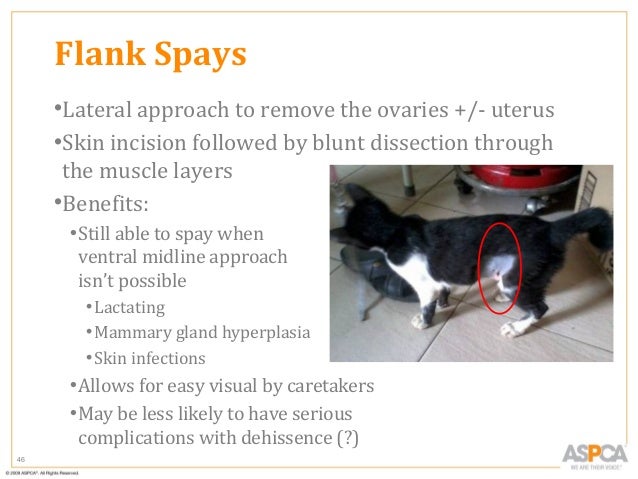
One topic that most groomers and pet owners are unaware of is a condition called Alopecia X.  This is a hair cycle abnormality often belonging to nordic breeds and toy/mini poodles.  Shaving doesn't cause this condition, but for a dog who may be prone to Alopecia X, shaving can mean any hair re-growth can be delayed.  This is called post-clipping alopecia and I've seen it a few times!  First, in a husky I worked with in Illinois, who had surgery on his leg.  It took over a year for the hair to come back in!  Second, on my own dog Zoey!  When Zoey was found wandering the streets of Tucson and her family didn't want her back, she became a ward of my animal hospital for a few weeks before I decided to adopt her.  Our Dr spayed Zoey in a non-traditional way, he chose to 'flank-spay' her like some vet's spay cats.  For a visual of where the incision on Zoey was, click here (don't worry, it's not graphic.) Zoey had a small shaved area on her side which took several months for the hair to regrow.

Some other medical conditions can cause hair to not regrow normally after being shaved.  Pet's with hormone disorders like thyroid issues and cushing's disease are likely to have difficulty regrowing hair normally as well.  It could take over a year for your pet to grow their hair back in, and it will often be shorter or coarser than it should be.


Click picture to enlarge

Ultimately most professionals agree it is best not to shave a double-coated dog unless it is medically necessary in which case your veterinarian would be the one recommending it, not a groomer.  If you do choose to shave your dog, your groomer should be honest with you about the potential issues of sunburn and the chance that hair may never re-grow normally.  Some groomers even make you sign a waiver, protecting them from whatever may happen to your pet after being shaved. That should certainly make you think twice!  The best thing to do is to keep your pet's groomed properly so their fur is free of tangles and mats.  Their fur is the safest way to protect them from all of the elements, hot or cold.


Thursday, April 7, 2016

Poochy Paw Protection


With springtime temperatures slowly increasing towards our scorching summers, now is a great time to start thinking about keeping your dog's paws safe. Dry and cracked paws can be extra painful when on the hiking trails or the warm pavement. Think about how painful your hands can feel in the wintertime when there is no moisture in the air and handwashing (due to germ season) leads to excessively dry and cracked skin.  All you want is to slather on some thick lotion to get some relief.  The same can happen to your dog's pads.


We all know not to walk dogs on black asphalt mid-day during the hot summer months. Concrete sidewalks luckily don't retain nearly as much heat as black asphalt but they can still become painful to walk on during the day.  Your dog still needs to stretch their legs during the summer so morning walks or evening walks are best, but it is still important to take care of your dog's feet regardless. Here are a few simple options!


Musher's Secret is my favorite paw balm so far.  Originally made to protect paws from winter elements like ice and sidewalk salt, people realized it works just as well in the desert! From Musher's Secret website..

Q: "Is Musher's Secret just for the winter? "
A: "Definitely not.  Mushers protects from hot pavement and sand as well as any irritants your pet may walk through. We have many customers in Arizona and California."


Another great option is doggie boots.  Years ago I bought Pepe a pair of Ruffwear boots to protect his little feet from the snow and ice when we lived back home in Illinois.  We still have his little boots packed away but haven't been touched in years.  I felt like this particular pair didn't fit him as well as I'd like and he would occasionally kick them off.  Luckily there are several types of boots on the market to fit your dog best.  If I was to try another type of boots, these Hiware dog boots would be at the top of my list.  They are longer and have 2 velcro straps for a better fit.  These neoprene dog boots also look like they would be a great fit too!


If you do try dog boots, slowly introduce your dog to them.  Most people put just one boot on, not all 4 at once.   It's pretty comical to watch but you can distract them from their new footware, with a favorite activity like a walk around the block or a game of fetch.  Boots, just like a new pair of shoes for us, need to be broken in so start off with short walks and increase your adventures appropriately.

One option I wouldn't recommend for wearing on pavement are Paws waterproof boots.  I've had experience with these in my animal hospitals and they are very similar to a latex balloon with the end cut off.  They are great for senior pets that might slip on wood or tile floors but I've had someone tell me they almost shrink wrapped her dog's feet when walking outside in the hot Tucson heat.  Again, I think these are a great indoor non-slip option, but not great for wearing outdoors when the temperatures are up.


It is always a good idea to do a general 'nose to toes' look over of your pets on a regular basis, they usually think they're getting a body massage! Looking between toes, under lip flaps, inside ears etc can help detect potential problems before they become serious.

Wednesday, March 30, 2016

Whisker Fatigue

My big handsome boy Naveen.  You can see why I call him my little lion boy.

Let's talk about those cute proprioceptors on your cat's face, otherwise known as whiskers if you aren't a major science nerd like I am.  Whiskers are constantly underestimated by us (relatively) bald humans. These hypersensitive sensory organs are rooted deeper than other hairs and are anchored by rich nerve endings.  Your cat's whiskers serve many functions, all to help relay what is going on in the environment around them especially when it may be too dark to see normally.  

Whiskers pick up air currents and vibrations as well as provide spacial reasoning.  Spacial reasoning, what's that? A cat's whiskerspan runs from tip of whisker to tip of whisker and is generally as wide as he is.  This allows a cat to know if he can easily fit through an opening or not.  Whiskers also allow cats, who are naturally far-sighted, to 'see' up close when they are walking about in the dark.  It's often the reason your cat might walk along the wall in a hallway, rather than walking right down the middle.

Now, because these whiskers are sooo sensitive, they are easily over-stimulated.  I like to think of them as introverts like me!  Because I am an introvert, I get easily over-stimulated and exhausted by a lot of commotion, noise, etc.  Similarily a cat's whiskers are so physically sensitive and are constantly relaying information to your cat's brain that certain movements can be downright irritating to them.  Unfortunately even eating their food can be physically fatiguing to their systems.


In deep food bowls, a cat has to push their face down in order to reach their kibble, causing their whiskers to constantly rub against the sides of the bowl.  This can cause a lot of sensory irritation, turning meal time into a chore.


Signs of whisker fatigue can include:
  • leaving food in the bowl but still acting hungry
  • acting hesitant to eat
  • pacing around their food bowl
  • pulling food out of the bowl to eat on the ground
  • standing by the food bowl prior to eating, trying to decide to eat

What can you do?  Try out a new feeding dish! I'm a fan of ceramic or stainless steel bowls for animals since they are easy to clean and do not hold onto bacteria the way plastic dishes do.  A great food dish option is Dr. Catsby's Food Bowl for Whisker Relief. Shallow dishes also apply to canned food, not just kibble!

Whisker fatigue can also stem from a crowded water bowl.  Great options for relief would be the Catit Fountain, and the Drinkwell 360 Fountain.


Soon after replacing your cat's dishes with whisker friendly options, you may notice their pickiness subside.  If not, they may have something else going on that you would want to discuss with your vet.

Kitty, showing off her pretty whiskers

Saturday, March 26, 2016

Just Say No

 Say No to feeding weird ingredients and chemicals!

TOP 5 TREATS TO NEVER FEED YOUR PET!
Posted by Planet Paws on Tuesday, March 22, 2016

Milkbone Ingredients: Wheat Flour, Wheat Bran, Meat and Bone Meal, Milk, Wheat Germ, Beef Fat (Preserved with BHA), Salt, Natural Flavor, Dicalcium Phosphate, Calcium Carbonate, Brewer's Dried Yeast, Malted Barley Flour, Sodium Metabisulfite (Used as a Preservative), Choline Chloride, Minerals (Ferrous Sulfate, Zinc Oxide, Manganous Oxide, Copper Sulfate, Calcium Iodate, Sodium Selenite), Vitamins (Vitamin E Supplement, Vitamin A Supplement, Niacin Supplement, D-Calcium Pantothenate, Riboflavin Supplement, Pyridoxine Hydrochloride, Vitamin D3 Supplement, Folic Acid, Biotin, Vitamin B12 Supplement), BHA (Used as a Preservative).

Snausages Ingredients: Wheat Flour, Beef, Soy Flour, Corn Syrup, Water Sufficient for Processing, Propylene Glycol, Liver, Animal Fat (BHA Used as a Preservative), Dried Cheese Product, Chicken By-product Meal, Calcium Sulfate, Potassium Chloride, Salt, Phosphoric Acid, Vegetable Oil, Titanium Dioxide (Color), Garlic Powder, Sorbic Acid (Used as a Preservative), Potassium Sorbate (Used as a Preservative), Natural Smoke Flavor, Yellow 6, Yellow 5, Red 40, BHA (Used as a Preservative), Citric Acid (Used as a Preservative).

Pup-eroni Ingredients: Beef, Meat By-products, Soy Grits, Sugar, Liver, Salt, Propylene Glycol, Garlic Powder, Caramel Color, Natural Smoke Flavor, Potassium Sorbate (Used as a Preservative), Sodium Nitrite (for Color Retention), Red 40, BHA (Used as a Preservative), Onion Extract.

Temptations Ingredients: Chicken By-Product Meal, Ground Corn, Animal Fat (preserved with Mixed Tocopherols), Rice, Dried Meat by-Products, Wheat Flour, Natural Flavors, Corn Gluten Meal, Potassium Chloride, Choline Chloride, Salt, Calcium Carbonate, Taurine, DL-Methionine, Vitamins (dl-Alpha Tocopherol Acetate [Source of Vitamin E], Vitamin A Acetate, Niacin Supplement, Vitamin B12 Supplement, Riboflavin Supplement, Thiamine Mononitrate, d-Calcium Pantothenate, Vitamin D3 Supplement, Biotin Supplement, Pyridoxine Hydrochloride [Vitamin B6], Folic Acid Supplement), Minerals (Zinc Sulfate, Copper Sulfate, Manganese Sulfate, Potassium Iodide), Dried Cheese.

Beggin' Strips Ingredients: Ground wheat, corn gluten meal, wheat flour, water, glycerin, ground yellow corn, sugar, soybean meal, bacon (preserved with sodium nitrite), salt, bacon fat (preserved with BHA and citric acid), phosphoric acid, sorbic acid (a preservative), calcium propionate (a preservative), natural and artificial smoke flavors, Red 40, Yellow 5, Blue 1, Yellow 6, added color. T-4005

Sunday, March 20, 2016

Think Outside of the Bag - Dehydrated Dog Food

When your chickens and ducks lay a gazillion eggs a day and there are only 2 humans in your family, you need to start getting creative with how you use your eggs! Currently on the most productive day we could get 9 chicken eggs and 5 duck eggs a day, but we average 8 chicken eggs a day and 3 duck eggs, giving us just about 7 dozen eggs a week.  Beauties, aren't they!?


Most people know by now that I feed our dogs a homemade raw diet, where raw eggs are included on a frequent basis.  Dog's Naturally Magazine has some good info about feeding raw eggs to your dogs.  Because our eggs are fresh and from birds that free-range in our 9,000 sq ft garden, I'm comfortable feeding them a few times a week to our dogs.  I would not feel the same about store-bought eggs that come from chickens living in terrible conditions.


Since feeding a raw diet, I still included one day a week where I fed just regular grain-free kibble that they used to eat daily.  I want their bodies to still tolerate kibble for when we go on vacation and someone else watches them.  But I decided to move onto bigger and better alternatives and purchased a box of Honest Kitchen's Base Preference at my local Pet Club. This 7 lb box of dehydrated food will make a total of 29 lbs of food once we finish it.  I chose the Preference Base because you add your own protein (which we have lots of!) and this will replace our kibble day every week.


In preparation, the other week I scrambled up a bunch of duck eggs, dehydrated them in my Excalibur dehydrator at the proper temperature and time, and then stored them in my Reditainer Extreme Freeze containers (perfect for long term freezer storage).  This morning was our first Honest Kitchen meal and I used the feeding guideline on the back of the box.  I should have known better, especially since I was once a food rep for a high end kibble company, but the feeding amount recommendations were a bit too much. Just a word of caution, Know Thy Pet, adjust their food if it seems too much or too little.

I measured out the base mix and my dehydrated duck eggs, added the proper amount of water, stirred and waited a minute or two.  All while anxious dogs tried to be patient for breakfast.  I have to say, I think the base mix smells really good ... I was getting hungry ;)


 All mixed in and ready for some hungry dogs!  I threw in their Omega 3 fish oil capsules, which they think is doggy candy, and all 3 pooches started slopping up their breakfast!

For dinner, I will use canned sardines in place of eggs to try out a new flavor.  The dogs adore their sardines and they are super healthy for them!


Sweet potatoes, peas, cabbage, organic coconut, apples, spinach, pumpkin, bananas, celery, organic kelp...

The base mix can be a real timer saver for some.  Can you believe I make my own veggie/berry mix for our dogs? I steam veggies in a large pot, add canned pumpkin, sardines, and raw berries, then blend everything down and freeze into ice cube containers, then store in ziplock baggies.   It really isn't a lot of work, it just takes effort.


Kitties, you're not forgotten about! Honest Kitchen makes complete meals for you with Grain Free Chicken and Grain Free Turkey flavors!

Check out some of the many different flavors below!